


The Truth About Perimenopause, Libido, and Sexual Confidence
Has your libido plummeted since perimenopause?
Many women assume that their sex drive has dropped during perimenopause and menopause because of declining estrogen, but science points to something more complicated. Hormone changes aren't solely to blame here. We've teamed up with DITTO's Neuroscientist, Marleigh Smith to explain more.
Perimenopause is characterised by the fluctuating levels of estrogen in this time period. As menopause approaches, estrogen gradually declines, leading to well-known symptoms like hot flushes, but also lesser-known ones such as increased anxiety, brain fog, and reduced sex drive (libido) (1).
Note: While we would ideally rely on research conducted specifically in perimenopausal women, there is still a lack of studies in this area. Therefore, this article also references research on menopausal and postmenopausal women to help explain these concepts.
The Biology of Sexual Function: Hormones, Sensation and Desire (2, 3, 4, 5, 6)
Estrogen: The Foundation of Physical Comfort
Women’s reproductive organs (vagina, vulva, pelvic floor) express a large number of estrogen receptors. As estrogen levels decline approaching menopause, these receptors start to decrease in numbers, and estrogen signalling plummets even further.
Without sufficient estrogen signalling in the vulva and vagina, several changes occur:
-
Decrease in tissue elasticity
-
Thinning of vaginal mucus
-
Changes in the vaginal canal: more rigid, short and narrow due to the lack of cell growth mechanisms triggered by estrogen
-
Lack of blood flow to these key areas involved in sexual stimulation
-
Vaginal pH changes, creating the potential for increased UTIs
Together, these changes can cause dryness, irritation, and discomfort, which may lead to painful sex and create physical barriers to sexual enjoyment.
However, interestingly, a recent meta-analysis including almost 36,000 participants found that hormone replacement therapy (HRT) using estrogen and/or progesterone resulted in either no effect or only small improvements in sexual function.
What else could be at play?
Testosterone: The Overlooked Driver of Desire
Testosterone isn't just a male hormone - it is essential in the health of women. In menopausal women, levels of testosterone can be up to 50% lower than in premenopausal women, and these declines can contribute to the mood and sexual symptoms that start in perimenopause. Lower testosterone levels may make sexual stimulation and climax more difficult, both from a physical sensation perspective and from mental arousal.
Research suggests testosterone can influence sexual desire in menopausal women because it:
-
Supports sexual arousal and orgasm
-
Increases dopamine signalling in the brain
-
Enhances blood flow to the clitoris
Testosterone is increasingly being used “off-label” as part of menopausal hormone therapy in those with low sexual desire that is causing them substantial personal concern.
But hormones aren’t the full picture.
So, Why Doesn’t HRT Fully Fix Libido? (7)
Although hormonal changes contribute to sexual symptoms during perimenopause, the relationship between hormones and libido does not appear to be entirely direct. Instead, the connection is likely more complex and multifactorial.
In one study investigating menopausal symptoms and sexual desire, researchers found that the greater the urogenital symptoms (such as vaginal dryness, burning, UTIs, and pain during sex), the lower the sexual function scores.
What may be happening instead is a combination of physical symptoms and emotional changes that affect a woman’s confidence and comfort.
Consider the cumulative effect of:
-
Reduced elasticity
-
Brain fog
-
Difficulty reaching climax
-
Reduced clitoral sensitivity
-
Hot flushes
-
Irritability or relationship stress
On top of this, many women are balancing work, relationships, and family responsibilities during this life stage.
When all of these factors combine, it is understandable that sexual desire may change.
What actually helps libido in perimenopause? (8,9)
Don’t worry, we won’t give you all this bad news without a little bit of hope.
Though HRT and testosterone work for some, it doesn’t work for others, especially when it comes to sex drive. Instead, improving sexual wellbeing during perimenopause often involves a combination of physical support, communication, and self-confidence. The good news is that there are many evidence-backed options - such as targeted supplementation to local solutions that address physical comfort directly.
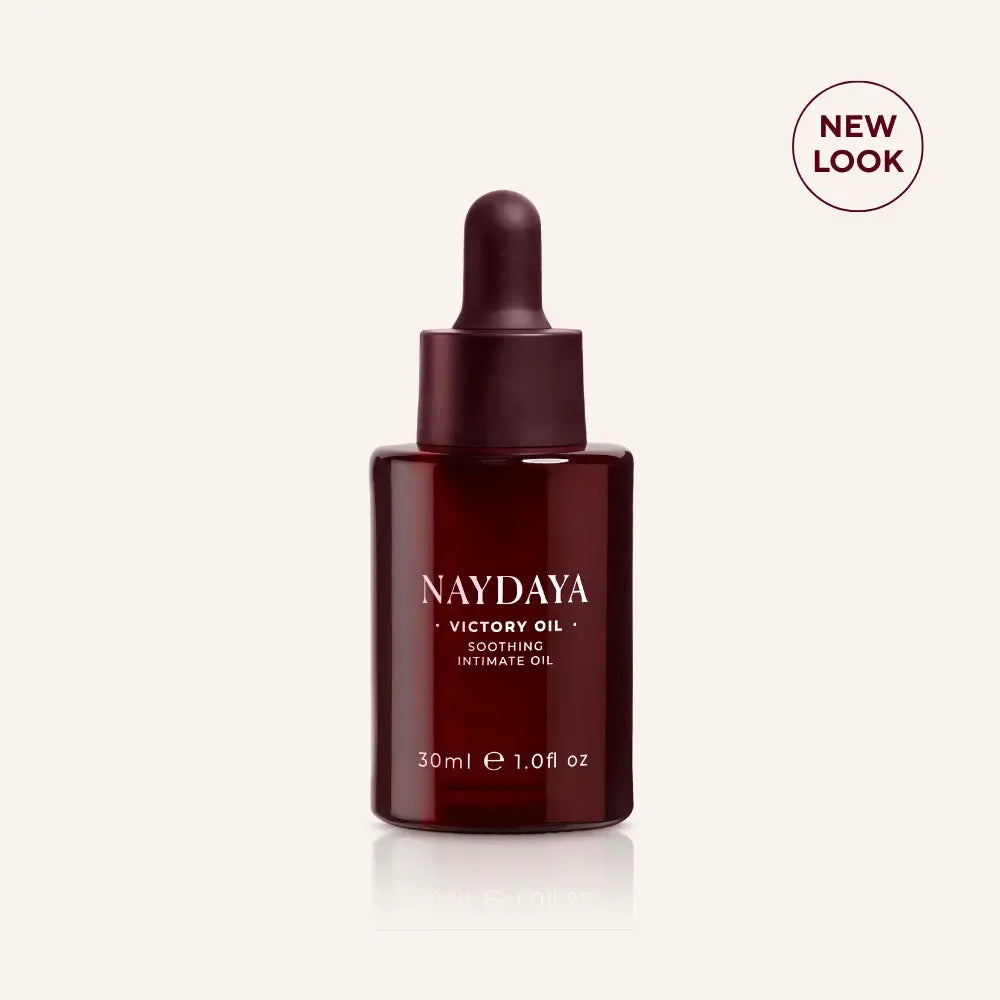
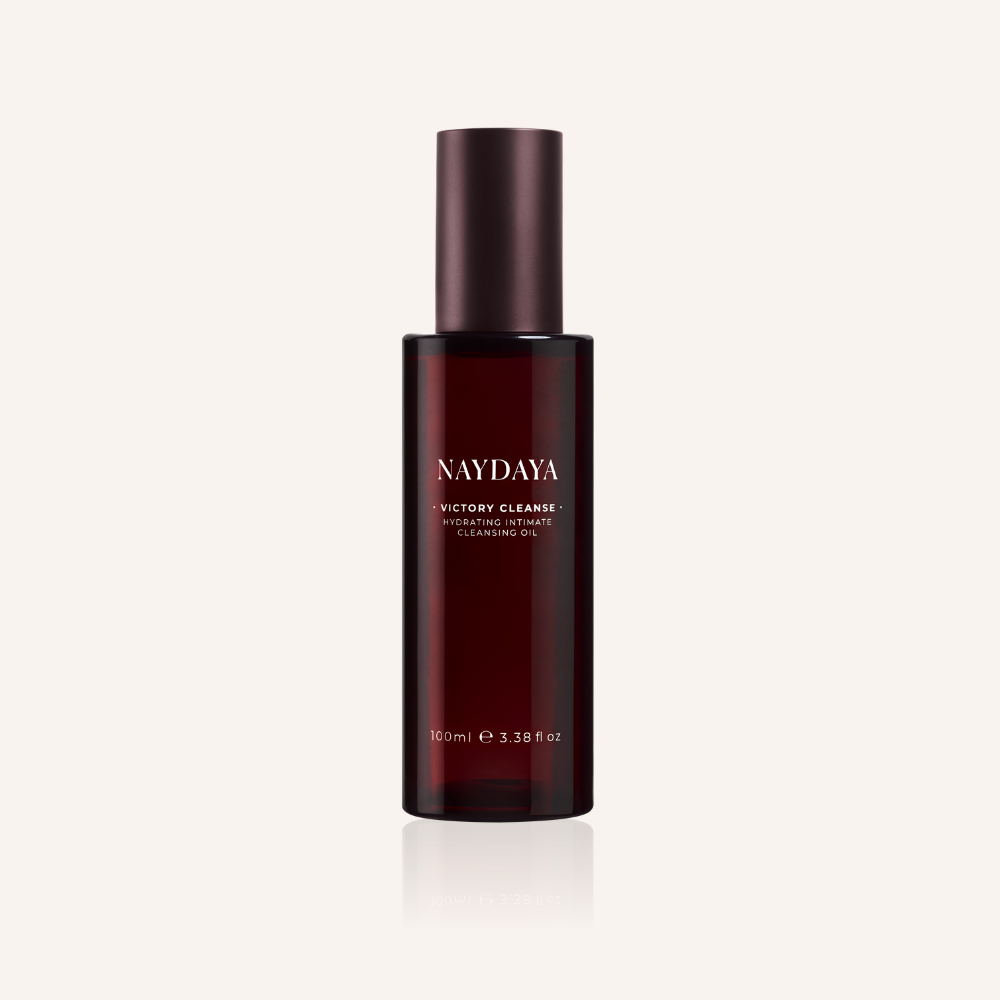
1. NAYDAYA’s Victory Oil: for daily use
An oil designed to soothe intimate skin, and treat external vaginal dryness, restoring elasticity and providing comfort.
95% of women see long-lasting hydration and reduced stinging and burning. It’s also hormone free and dermatologically tested.
With the right support, perimenopause can actually become a time of rediscovering what makes you feel good. There's more than one way to feel like yourself again, and you don't have to figure it out alone.
2. NAYDAYA's Victory Glide: for use in the moment
Designed to enhance pleasure and comfort, our innovative water-based lubricant provides long-lasting hydration during intimacy, while protecting your intimate skin.
HySilk® Hyaluronic Acid penetrates deeply for superior hydration and moisture retention, helping to reduce friction, enhance comfort, and keep intimate skin soft and supple, while BIOLIN® prebiotics support a healthy skin microbiome.
/--product--/
3. DITTO’s saffron extract for psychological symptoms and libido
Saffron extract has been shown to significantly improve the psychological symptoms of perimenopause compared to placebo. Specifically, saffron showed a
→ 33% reduction in anxiety symptoms
→ 32% reduction in depressive symptoms
Saffron has also been shown to improve sexual dysfunction, where it showed:
→ 62% improvement in sexual function score
→ Significantly improved desire vs placebo
→ Increased lubrication & satisfaction
Effects appeared within 2-4 weeks
As how you feel can affect your sex life and confidence, saffron extract can work to promote better mood, alleviating some of the compounding effects of perimenopause.
The DITTO supplement contains the therapeutic dose of saffron extract.

References:
-
Cunningham, A.C., Hewings-Martin, Y., Wickham, A.P. et al. Perimenopause symptoms, severity, and healthcare seeking in women in the US. npj Womens Health 3, 12 (2025). https://doi.org/10.1038/s44294-025-00061-3
-
Kingsberg SA, Wysocki S, Magnus L, Krychman ML. Vulvar and vaginal atrophy in postmenopausal women: findings from the REVIVE (REal Women's VIews of Treatment Options for Menopausal Vaginal ChangEs) survey. J Sex Med. 2013 Jul;10(7):1790-9. doi: 10.1111/jsm.12190. Epub 2013 May 16. PMID: 23679050.
-
Glynne, S., Kamal, A., Kamel, A.M. et al. Effect of transdermal testosterone therapy on mood and cognitive symptoms in peri- and postmenopausal women: a pilot study. Arch Womens Ment Health 28, 541–550 (2025). https://doi.org/10.1007/s00737-024-01513-6
-
Vigneswaran, K. and Hamoda, H. (2022), Androgens in postmenopausal women. Obstet Gynecol, 24: 228-241. https://doi.org/10.1111/tog.12836
-
Safety and efficacy of testosterone for women: a systematic review and meta-analysis of randomised controlled trial data. Islam, Rakibul M et al.The Lancet Diabetes & Endocrinology, Volume 7, Issue 10, 754 - 766
-
Meziou, N., Scholfield, C., Taylor, C. A., & Armstrong, H. L. (2023). Hormone therapy for sexual function in perimenopausal and postmenopausal women: a systematic review and meta-analysis update. Menopause (New York, N.Y.), 30(6), 659–671. https://doi.org/10.1097/GME.0000000000002185
-
Nazarpour, S., Simbar, M., Tehrani, F. R., & Majd, H. A. (2018). The relationship between menopausal symptoms and sexual function. Women & Health, 58(10), 1112–1123. https://doi.org/10.1080/03630242.2017.1414100
-
Lopresti, A. L., & Smith, S. J. (2021). The Effects of a Saffron Extract (affron®) on Menopausal Symptoms in Women during Perimenopause: A Randomised, Double-Blind, Placebo-Controlled Study. Journal of menopausal medicine, 27(2), 66–78. https://doi.org/10.6118/jmm.21002
-
Kashani L, Aslzadeh S, Shokraee K, Shamabadi A, Tadayon Najafabadi B, Jafarinia M, Esalatmanesh S, Akhondzadeh S. Crocus sativus (saffron) in the treatment of female sexual dysfunction: a three-center, double-blind, randomized, and placebo-controlled clinical trial. Avicenna J Phytomed. 2022 May-Jun;12(3):257-268. doi: 10.22038/AJP.2022.19714. PMID: 36186931; PMCID: PMC9482709.
Read more
Firm the loose, crepey skin on your neck by using Neck Glory, morning and night. If you're reading this guide, congratulations, you've finally found a science-backed solution to neck lines and loos...
In a world of 7-step skincare routines for your face, treating your vulva to the same TLC shouldn't be taboo. We asked GP, Dr Clare Ashley how to go about daily intimate care. Why your vulva needs ...